New materials from Polartec, PrimaLoft and W.L Gore & Associates are redefining buzzwords like light, warm, compressible, waterproof and sustainable.
Writer: Carly Terwilliger Every hiker, cyclist, mountaineer and climber has their favorites – favorite location, favorite route and favorite go-to article of clothing. These are the pieces that, year over year, are tried and true. They’re worn, tested in the field, repaired with duct tape and worn again. Though people may profess loyalty to a certain brand or style, in the end it’s materials that earn their diehard devotion. The next-to-skin layer keeps you comfortable, the insulation keeps you toasty and the protective outer layer keeps you dry. The technology that performs all these feats has been around for years, yet every season we hear about new advances that are warmer, lighter, more breathable – in a word, better. So how do material manufacturers and the apparel companies that utilize their wares convince consumers that it’s time to let go of their favorite baselayer or puffy and embrace what’s new? We spoke with Polartec, PrimaLoft and W.L. Gore & Associates to find out. “There is both a philosophical and commercial answer here,” said Mike Adams, mountain sports garments business leader, W.L. Gore & Associates. “Philosophically, new materials and technology developments move the industry forward.” And on the commercial side, “new technologies and their associated interesting stories sell products by giving consumers a new reason to buy – and for good reason if the performance has improved or the aesthetic is trend-right.”
And speaking of trends, no matter who you talk to, simplification is king. “These days, when people are getting dressed, they’re looking to put on one piece that’s warm and windproof, and if it’s waterproof that’s great too,” said Karen Whittier, product manager, insulation at Polartec. “In the past, it’s always been about layering up. We want to come up with solutions that keep you warm without a huge number of layers.”
Forty years ago, the idea that a garment would both keep you dry and allow the escape of perspiration was “completely revolutionary,” said Adams. “Today, we think about things like truly adaptable insulation that allows one garment to provide a level of performance that requires two or three garments, or perhaps the air permeability of a t-shirt combined with the protection of a waterproof shell.”
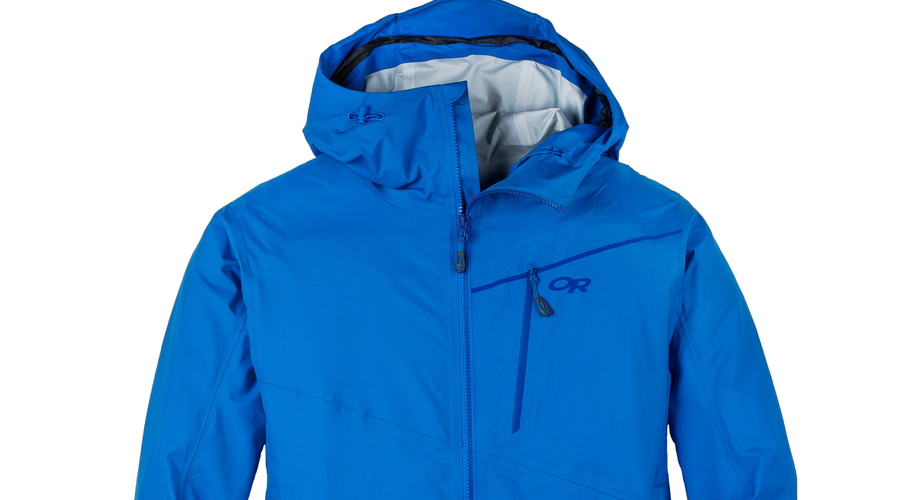 An all-purpose jacket to stash in your car, desk or pack seems to be a popular go-to among materials experts, as Adams also named a “prototype unlined Gore-Tex jacket with our new PFC-free DWR” as something he’s loving to wear right now. Pieces featuring the new technology will launch in parts of Gore’s collection in the Fall/Winter 2018 retail season. Finally, Joyce relies on a Patagonia Nano Puff that incorporates PrimaLoft’s Gold Insulation Eco. It’s “eco-friendly, performs great in wet weather, wicks sweat, keeps me cool on warmer days and warm on a fall hike and packs into its own chest pocket,” he said.
Do-it-all apparel requires materials that pull double and triple duty, with one of those duties being sustainability and environmental friendliness. The new Polartec Power Fill is made with cruelty-free, 80 percent post-consumer recycled content. And PrimaLoft Black Insulation ThermoPlume, Joyce explained, is a “synthetic that acts as a true replacement for down and enables brands to replicate the design aesthetic and the manufacturing process of a down garment.” With Canada Goose facing increasing resistance for its use of down, such high-performance alternatives are well-positioned to grab an increasingly large chunk of the market.
But laudable as it is, social responsibility isn’t everything. The Canada Goose example also cuts the other way, proving that fashion continues to be a powerful force. Simply put, “People want to look good,” said Whittier, although she added that “we are aware of environmental concerns, so we’re always looking to use materials that have thermal properties that are still environmentally friendly. Still, she continued, “for several years now, people have been talking about athleisure and cross function.”
Following that logic, if a high-performance insulation is wrapped in a slick, eye-catching package, it’s bound to reach a more diverse group of consumers. “Outdoor garments are doing more and more these days while looking better,” Lauver commented. “The line between good looks – dare I say fashion? – and function is gone.”
Photos courtesy W.L. Gore, Polartec and Outdoor Research
An all-purpose jacket to stash in your car, desk or pack seems to be a popular go-to among materials experts, as Adams also named a “prototype unlined Gore-Tex jacket with our new PFC-free DWR” as something he’s loving to wear right now. Pieces featuring the new technology will launch in parts of Gore’s collection in the Fall/Winter 2018 retail season. Finally, Joyce relies on a Patagonia Nano Puff that incorporates PrimaLoft’s Gold Insulation Eco. It’s “eco-friendly, performs great in wet weather, wicks sweat, keeps me cool on warmer days and warm on a fall hike and packs into its own chest pocket,” he said.
Do-it-all apparel requires materials that pull double and triple duty, with one of those duties being sustainability and environmental friendliness. The new Polartec Power Fill is made with cruelty-free, 80 percent post-consumer recycled content. And PrimaLoft Black Insulation ThermoPlume, Joyce explained, is a “synthetic that acts as a true replacement for down and enables brands to replicate the design aesthetic and the manufacturing process of a down garment.” With Canada Goose facing increasing resistance for its use of down, such high-performance alternatives are well-positioned to grab an increasingly large chunk of the market.
But laudable as it is, social responsibility isn’t everything. The Canada Goose example also cuts the other way, proving that fashion continues to be a powerful force. Simply put, “People want to look good,” said Whittier, although she added that “we are aware of environmental concerns, so we’re always looking to use materials that have thermal properties that are still environmentally friendly. Still, she continued, “for several years now, people have been talking about athleisure and cross function.”
Following that logic, if a high-performance insulation is wrapped in a slick, eye-catching package, it’s bound to reach a more diverse group of consumers. “Outdoor garments are doing more and more these days while looking better,” Lauver commented. “The line between good looks – dare I say fashion? – and function is gone.”
Photos courtesy W.L. Gore, Polartec and Outdoor Research